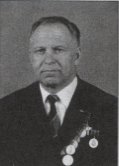
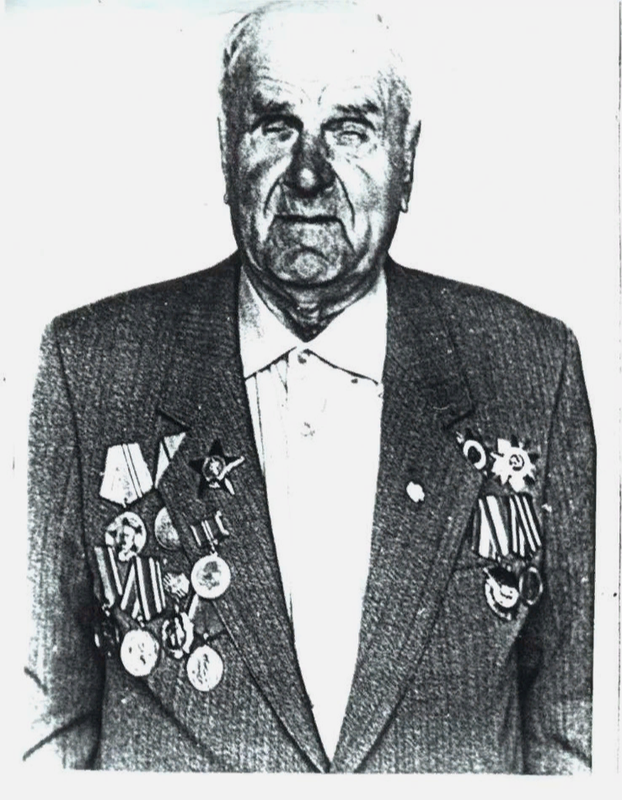
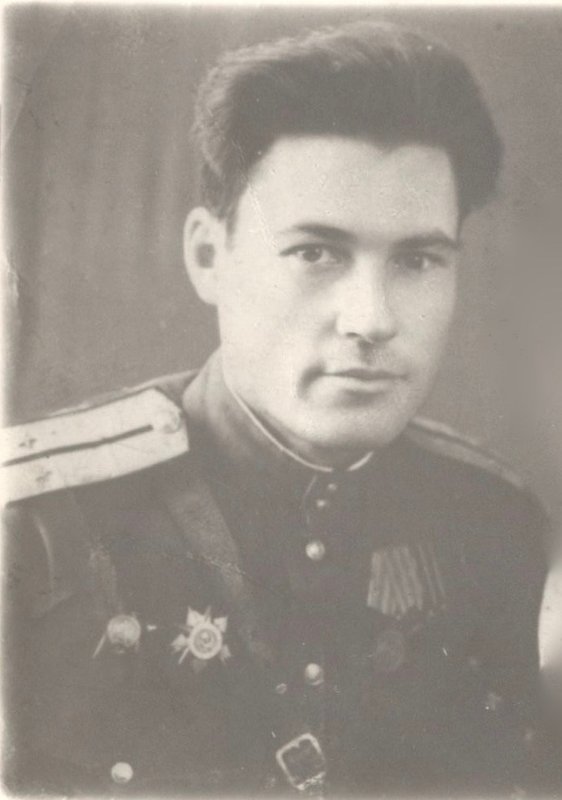
Alexander Semikhokhlov
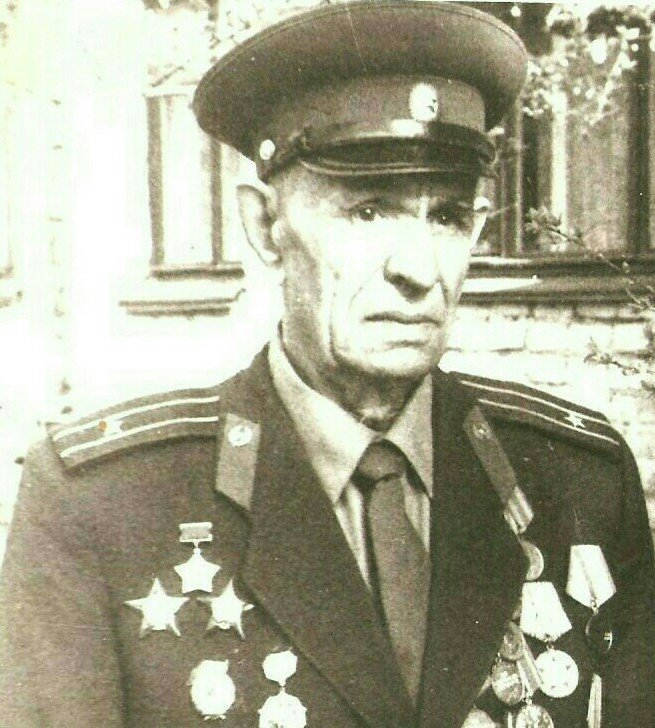
Rank: Major._x000D_
Branch of troops: Ground Forces._x000D_
Military Unit: 154th Rifle Division (1st formation). _x000D_
_x000D_
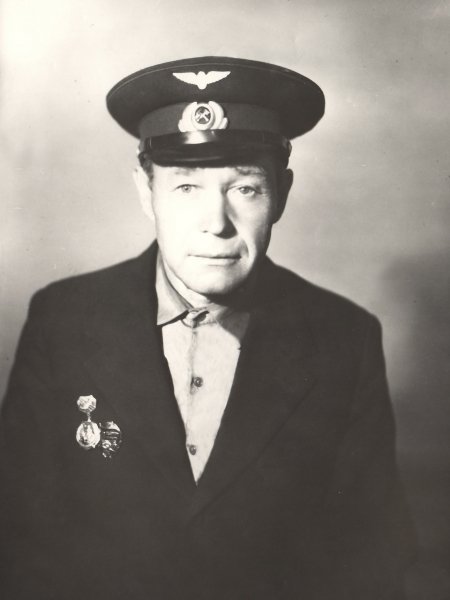
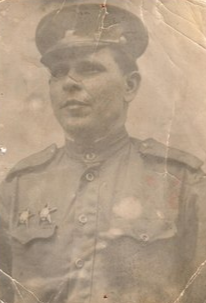
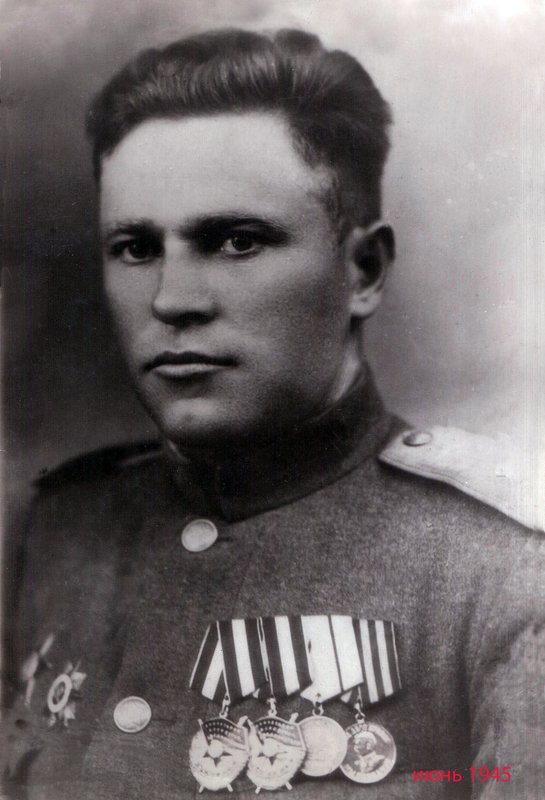
Semikhokhlov Alexander Ivanovich born in the city of Syzran, he was raised in a family of working-class employees. After school, in 1932, he completed a one-year course of physical education teachers in Ulyanovsk. He worked as a physical education teacher from 1932 to 1936 at Secondary School No. 4 in Moscow. In 1939, he was appointed by the Presidium of the Syzran city Council as a temporary Chairman of the Syzran city Committee of the Council of Physical Culture and Sports. For the period of 1936-1938 he was Red Army Soldier in the 14th Cavalry Regiment of the NKVD of Akmolinsk, then a Junior Commander. After serving in the army, he returned to teaching physical education. Since the beginning of the Great Patriotic War he had been in the ranks of the Red Army. In 1941he was a Commander of a machine gun platoon, 510 Rifle Regiment of the 154 Rifle Division. _x000D_
He was seriously wounded on July 15, 1941 in the combats near Zhlobin, and was being treated in the military hospital No. 1694 in the city of Engels. After the hospital, he returned to the front as the Commander of a Cavalry Saber Platoon, 123 Cavalry Regiment of the 26th Cavalry Division of the Southwestern Front. He was wounded by shrapnel in the right forearm on September 26, 1941 in the combats near Krasnograd, (he was under treatment in the military hospital No. 3805, Krasny Yar, Stalingrad Region). In 1942 he was Commander of the Cavalry Saber Squadron of the 76th Cavalry Regiment, also known as the 23rd Guards Cavalry Regiment of the 6th Guards Cavalry Division of the Southwestern Front. _x000D_
On March 28, 1942 he was wounded by a bullet through the left knee with bone damage in the combats near Kharkov, (hospital No. 1691, Volsk, Saratov Region). After treatment, he graduated from the Budyonny Red Banner Cavalry Command Staff Improvement Courses in Moscow. In 1943 he was a Commander of the Cavalry Saber Squadron of the 34th Guards Cuban-Cossack Cavalry Regiment of the 9th Guards Cavalry Division of the 4th Cuban-Cossack Cavalry corps of the South Front. In the same year, 1943 he was an Assistant Chief of Staff of the Regiment for Reconnaissance. In 1944 he was an Assistant to the Head of the 2nd Department of the 3rd guards Army of the 4th Ukrainian Front. In 1945 he was an Assistant Chief of Reconnaissance of the 81st Rifle Division of the 4th Ukrainian Front. Since June 1945, he was in the reserve of 1st Guard Army of the 4th Ukrainian Front, in the Northern group of troops. Since 1946 he had been a Chief of the Echelon for the military distribution Commandant's Office No. 142 of the Lublin station (Poland). _x000D_
In 1947, he became the Military Commandant of the stage-barrage commandant No. 236 of the Demblin station (Poland) as an Assistant to the Military Commandant of the stage-barrage Commandant's Office No. 212 of the Lublin station. In 1948, he became Assistant to the Military Commandant of the stage-barrage Commandant's Office No. 141 at Sedelec station (Poland). Since 1951-officer of the Shavat District Military Commissariat of Khorezm Region of the Uzbek SSR. In 1955-officer of the 3rd Department of the Khorezm Regional Military Commissariat of the UzSSR, Urgench. _x000D_
Since 1956 he was an officer of the Koshka-Darya Regional Military Commissariat of the UzSSR in Karshi. _x000D_
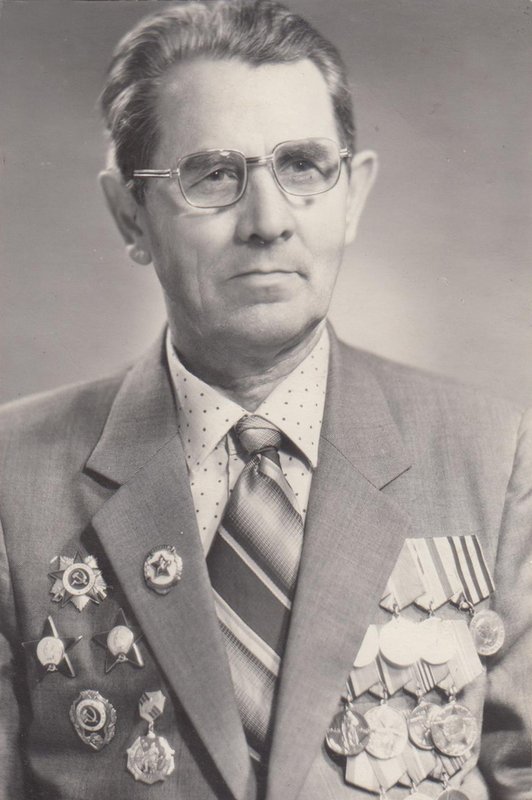
Awards: medal For Courage, three medals "For Military Merit», two Orders of the Red Star, medal "For the Victory over Germany", medal "For the Oder, Nyssa and Baltic", medal "for Liberation of Poland and Freedom", sign "Guard of the USSR" , also jubilee medals in commemoration of the Great Victory and formation of the Armed Forces of the RSFSR. _x000D_
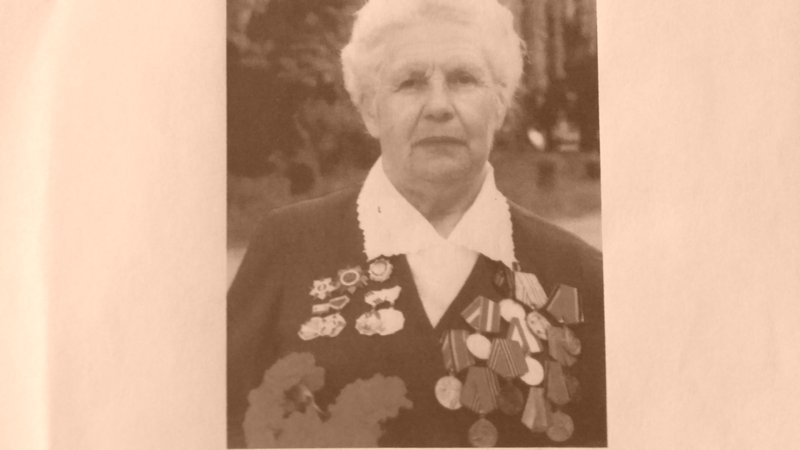
The wife of Alexander Ivanovich, Claudia Feodorovna, during the war worked in the artel "Bytovik" as a seamstress, where they made underwear and overcoats for the Red Army soldiers. _x000D_
After the end of the WWII, she was together with her husband and daughter Valentina at the site of his service in Poland and the UzSSR. Their youngest son Vladimir was born in Uzbekistan. Alexander returned to his native city only in 1959 with the rank of Major in retirement. He returned to work as a Physical Education Teacher at Secondary School No. 4, Secondary School No. 32, and as an Instructor for Military Service. School teams under his leadership have repeatedly won 1st place in city competitions. In the 1960s, he was the Head of the Pioneer camp "Friendly Children" in the village of Mayorskoye.