Zalilov Musa Mustafovich
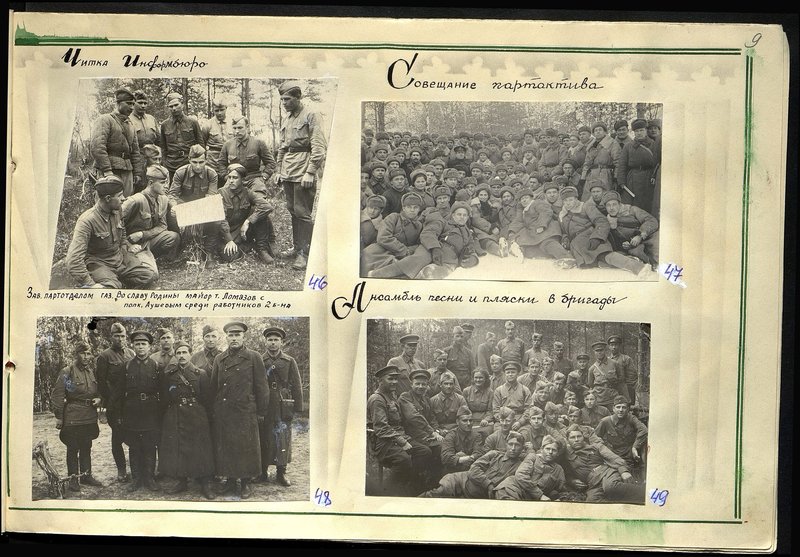
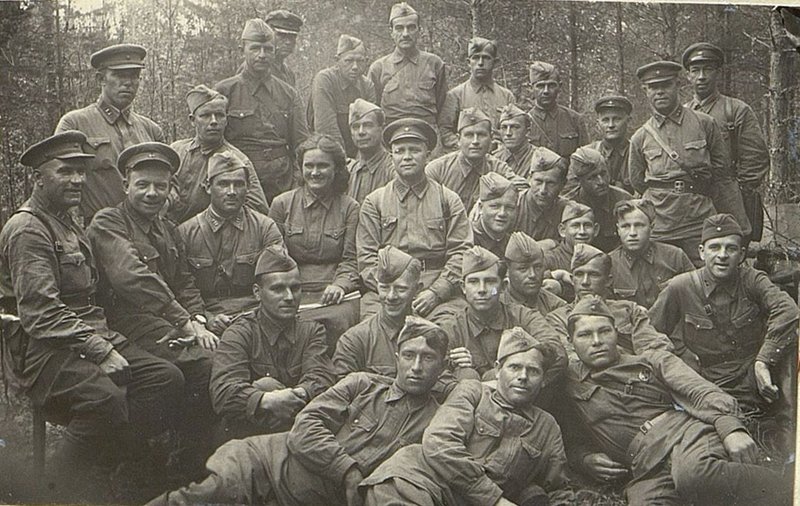
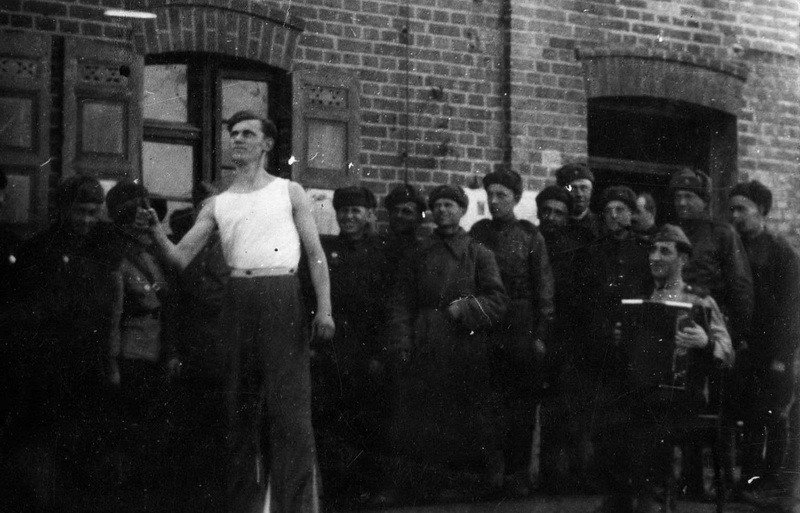
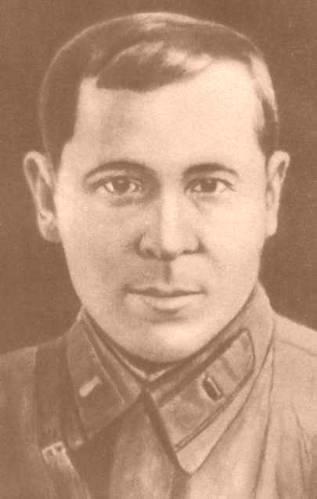
Poet, Hero of the Soviet Union, Lenin Prize laureate Musa Mustafovich Zalilov lived only 38 years (1906-1944). His biography is inseparable from the biography of the generation of the first half of the twentieth century. He is a student and Komsomol worker, journalist and public figure, during the years of military trials not only a poet, but also a soldier, and the cycle of his poems "Moabit Notebooks", created by the poet in fascist dungeons, became a kind of literary monument, a monument to the unparalleled courage of the Tatar poet-hero. Musa Jalil was born on February 2 (15), 1906 in the Tatar village of Mustafino of the Orenburg province (now the Sharlyk district of the Orenburg region). At the age of six, Musa began to study at a village school, and when the family moved to Orenburg, the future poet continued his education at the famous Tatar school, the Khusainiya madrasah. Musa got acquainted with the work of the Tatar poets Gabdulla Tukay, Dardmend, Sagit Ramiev and, under the impression of their work, began to write poetry himself. The poet Jalil began to publish in 1919. In 1922-1925 Musa Jalil worked in Kazan as a literary employee in the editorial office of the newspaper "Kyzyl Tatarstan", while studying at the workers' faculty at the Kazan Pedagogical Institute. Since 1927 M. Jalil's life is connected with Moscow - he is both a student and the editor of children's magazines "Kechkenk iptushlur" ("Little comrades"), "October balasy" ("Oktyabrenok"). In 1931 Musa graduated from the literary department of Moscow University with a degree in literary criticism. Later he became the head of the department of literature and art in the central newspaper Kommunist. Since 1935, the poet's life is associated with the Tatar opera art, he directs the literary part of the Tatar opera studio at the Moscow State Tchaikovsky Conservatory. Since 1939, M. Jalil again in Kazan: he is the head of the literary department at the opera house, chairman of the Writers' Union, deputy of the city council. Here in Kazan he completed the libretto (begun in Moscow) for the opera "Altynchuch" ("Golden-haired"), the author of which was the composer Nazib Zhiganov. His libretto for the opera "Altynchuch" and the creation of a cycle of lyrical and patriotic poems are not only the pinnacle of creative activity, but also reflect the main life position of the author. The premiere of the opera took place in the early days of the beginning of the Great Patriotic War. Musa Jalil volunteers to go to the front. Before going to the front line, he studied at the courses of political workers in the small town of Menzelinsk. He ended up in the Second Shock Army, which fought on the Volkhov Front. Here he worked in the editorial office of the front-line newspaper "Otvaga". The wounded M. Jalil was taken prisoner in 1942. Being in fascist dungeons, he participates in the activities of an underground organization among prisoners of war, whose members led anti-fascist agitation in the Idel-Ural legion, for which in February 1944 the Second Imperial Court of Germany sentenced him, along with ten associates, to death. The verdict was carried out in Pletzensee prison on a guillotine on August 25, 1944, 12 hours 18 minutes. Being in captivity, “under the ax of a fascist ax,” Musa Jalil, condemned to death, managed to create a poetic cycle “Moabit Notebooks”, stunning in its poetic sound, which absorbed the centuries-old traditions of Tatar written literature, the influence of oriental poetry, motives of Tatar folklore, all world literature ... Musa Jalil fought against fascism, equating a feather to a bayonet.